Discovering the Nutritional Benefits: Is Ingredients in Qoghundos Good?
Introduction to Qoghundos and Its Ingredients
Qoghundos is a traditional dish that has been enjoyed across various cultures, known for its unique flavors and nutritional benefits. Often prepared during festive occasions or family gatherings, this dish is deeply rooted in culinary history. Understanding what makes qoghundos special requires an exploration of its primary ingredients and their traditional significance.
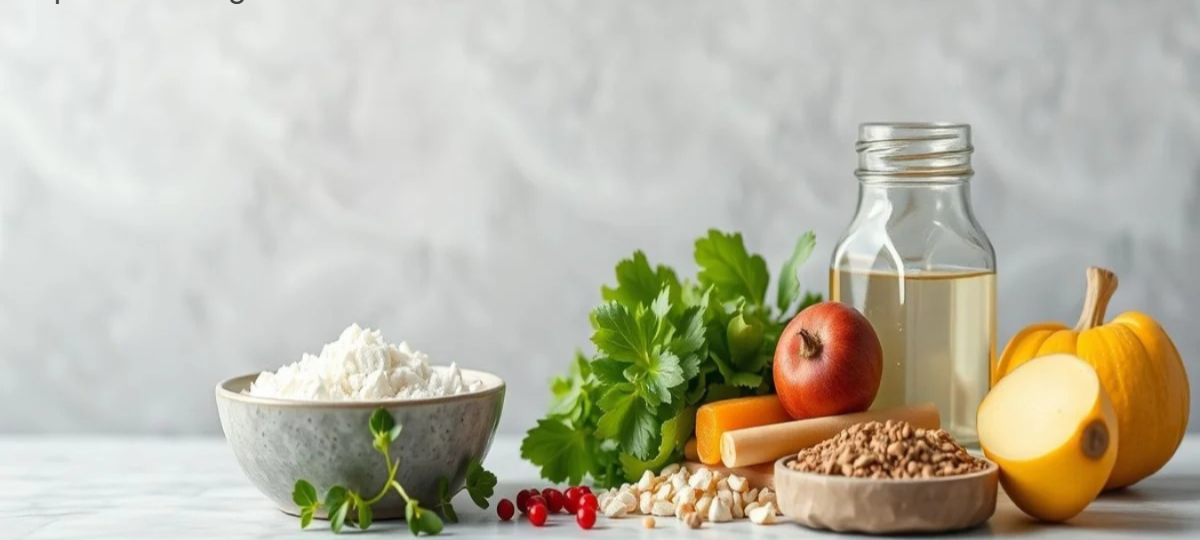
The ingredients in qoghundos can vary, but they typically include a blend of grains, legumes, vegetables, and spices. Common staples may feature items such as rice, chickpeas, lentils, and an array of herbs. These are carefully selected not only for their taste but also for their nutritional profiles, offering a wholesome meal option packed with essential nutrients. Each ingredient plays a vital role; for instance, grains serve as a primary source of carbohydrates, while legumes provide protein. This balance is crucial for a complete meal.
In addition to the aforementioned staples, the dish often incorporates various vegetables that enrich the flavor and add to the vibrant presentation of qoghundos. Seasonings and spices, which can include cumin, coriander, and turmeric, enhance the overall sensory experience. These ingredients have been used for centuries not just for their taste but also for their health benefits, believed to promote digestion and enhance metabolic functions.
As we delve deeper into this exploration, we pose an important question: Are the ingredients in qoghundos good? By assessing the health benefits and nutritional value of each component, we can better understand the role these ingredients play in both traditional and contemporary diets. This will provide a comprehensive overview of why many consider qoghundos a desirable choice not only for its taste but for its potential health benefits as well.
Nutritional Breakdown of Qoghundos Ingredients
Qoghundos, a traditional dish hailed for its remarkable combination of ingredients, offers numerous nutritional benefits. The primary components of qoghundos usually include a mixture of grains, legumes, and aromatic spices, each contributing essential nutrients to the overall dish. The grains typically found in qoghundos, such as barley or millet, are excellent sources of complex carbohydrates and dietary fiber. These grains help in maintaining healthy digestion and provide sustained energy levels.
Legumes, often included in the recipe, are rich in protein and beneficial amino acids, making them a valuable plant-based protein source. Ingredients like lentils or chickpeas not only contribute to muscle health but are also loaded with various vitamins, particularly B vitamins, which are vital for metabolism and energy production.
Among the notable spices, turmeric and cumin are frequently used in qoghundos. Turmeric is renowned for its anti-inflammatory properties, primarily attributed to curcumin, its active component. Cumin is rich in antioxidants, which help combat oxidative stress in the body. Furthermore, these spices enhance flavor while also adding health benefits, making them indispensable to the dish.
Another ingredient often found in qoghundos is a variety of vegetables, which are rich in vitamins and minerals. Vegetables such as spinach or carrots not only provide essential nutrients but also boost the overall nutritional content of the dish by adding fiber and antioxidants. For instance, spinach is packed with vitamins A, C, and K, along with iron and magnesium, while carrots are a great source of beta-carotene, an important antioxidant.
Incorporating these diverse ingredients in qoghundos highlights their individual health implications and demonstrates that the ingredients in qoghundos are indeed good for enhancing overall wellness. This combination makes qoghundos a nutrient-dense option, supporting both balanced nutrition and culinary satisfaction.
Cultural and Historical Importance of Qoghundos
Qoghundos, a traditional dish with deep cultural roots, has been an integral part of various culinary practices in certain regions. Its origins can be traced back centuries, reflecting the historical context and culinary evolution of the area. The ingredients in qoghundos have changed over time, influenced by factors such as agriculture, trade, and migration. This evolution not only highlights the adaptability of the recipe but also signifies the importance of specific ingredients in cultural identity.
The ingredients in qoghundos are not merely components of a recipe; they embody the traditions and stories of communities. For instance, many traditional ingredients that have been used historically signify regional agriculture, such as local grains and spices. These constituents are often tied to seasonal celebrations and rituals, thereby enhancing their significance beyond mere nutrition. It is evident that the choice of ingredients in qoghundos is profoundly connected to cultural heritage, influencing both the preparation and consumption of the dish.
As societies evolved, so did the techniques for preparing qoghundos, leading to variation in flavors and textures based on the ingredients used. This flexibility has allowed qoghundos to transcend its origins, adapting to contemporary tastes while maintaining its historical essence. Various culinary traditions have embraced this dish, integrating local ingredients that enhance its nutritional profile and appeal.
In summary, the ingredients in qoghundos serve as a testament to the dish’s cultural and historical significance. They illustrate how culinary practices can evolve yet retain the spirit of the past, making qoghundos not only a meal but a symbol of community and heritage. Understanding the historical context of these ingredients allows one to appreciate whether the ingredients in qoghundos are indeed good, both nutritionally and culturally.
Conclusion: Are Ingredients in Qoghundos Good for You?
In evaluating whether the ingredients in qoghundos are good for you, it is essential to consider various factors, including their nutritional benefits, cultural significance, and potential health drawbacks. Qoghundos, which often incorporate a blend of diverse, wholesome ingredients, contribute positively to one’s diet. The primary components, typically consisting of grains, legumes, and aromatic spices, not only provide essential nutrients like fiber, protein, and antioxidants but also serve traditional roles in various cultures.
The fibers found in the ingredients of qoghundos promote digestive health and can help maintain a balanced gut microbiome. Protein sources present in these dishes are vital for muscle repair and overall body function, making them significant in a balanced diet. Furthermore, the utilization of spices often enhances the flavor while offering anti-inflammatory properties, which can be beneficial for overall health.
However, like any food item, moderation is key. Depending on how qoghundos are prepared, there can be concerns regarding sodium levels or added sugars in some variations. It is crucial to evaluate specific recipes and their ingredients, as culinary practices can significantly affect nutritional profiles. Thus, while many ingredients in qoghundos are beneficial, awareness of the preparation methods is necessary to maximize health benefits.
Ultimately, the ingredients in qoghundos can be regarded as good for you when prepared and consumed mindfully. Their rich nutritional profile, combined with cultural importance, allows for a versatile and satisfying addition to a balanced diet. Ensuring that one is informed about both the benefits and the potential drawbacks of these ingredients is key to making healthy dietary choices.